Happy Everyday Font: A Versatile Typeface for Small Business Branding
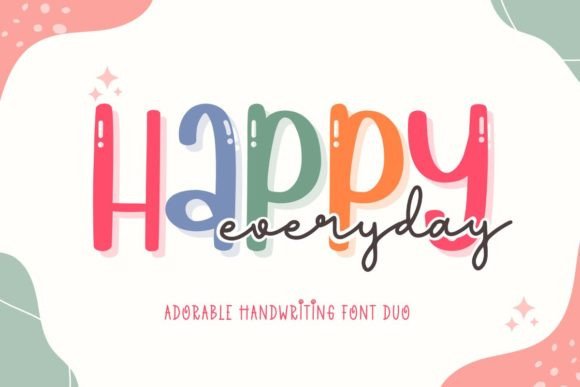
As a small business owner, I’ve learned that the little details in branding can make a big difference. One of those details? Typography. When I discovered the Happy Everyday font, it felt like finding a missing piece of my brand identity puzzle. Happy Everyday is a cute handwritten font duo that includes both sans and script styles. It’s designed to be expressive yet practical—perfect for entrepreneurs who want to build a warm, professional, and consistent visual presence.
Why Typography Matters for Small Businesses
Your choice of font isn’t just about aesthetics—it’s about communication. The right typeface helps customers instantly understand your brand’s personality. Happy Everyday brings a friendly, approachable tone to your business materials without sacrificing professionalism. Whether you’re designing a logo or printing product labels, this font helps your brand feel more human and trustworthy.
Real-World Uses for Happy Everyday
I’ve used Happy Everyday across a variety of customer-facing materials, and it consistently delivers a polished look. Here are some of the ways it can enhance your business:
- Logos – The script version adds a personal touch that makes your brand instantly recognizable.
- Packaging design – Whether it’s a candle label or a soap wrapper, Happy Everyday gives handmade products a boutique feel.
- Social media graphics – From Instagram posts to Pinterest pins, this font helps your content stand out with a warm, inviting tone.
- Menus and flyers – The sans serif companion works well for readable body text while the script adds visual flair.
- Website banners and digital ads – Happy Everyday’s clean lines and consistent spacing make it ideal for web design and mobile screens.
Branding Consistency Made Simple
One of the biggest challenges for small businesses is maintaining a cohesive brand identity across different platforms. Happy Everyday helps with that. Its dual-style format means you can use the script for headlines and the sans for supporting text, creating a balanced and unified look. Whether it’s a thank-you card or a product tag, this font helps your brand feel intentional and put together.
Choosing the Right Font for Your Brand Personality
If your business has a warm, friendly, or creative vibe, Happy Everyday could be the perfect match. It’s especially well-suited for cafes, boutiques, wellness brands, and online shops that want to feel approachable and authentic. The handwritten style conveys a sense of craftsmanship, while the sans serif adds modernity and clarity. This combination makes it a versatile addition to your design toolkit.
Readability Across Different Mediums
A font might look great on your screen, but how does it hold up in real life? I’ve tested Happy Everyday on everything from product stickers to mobile banners, and it performs well across formats. The script remains legible at small sizes, and the sans serif is crisp on both print and digital displays. That makes it a reliable choice for business cards, packaging, and social media thumbnails where clarity matters.
How to Pair Happy Everyday with Other Fonts
Font pairing is a key part of modern typography. Happy Everyday works best when paired with a clean, readable typeface. I often pair it with a simple sans serif like Montserrat or Open Sans for body text. This contrast keeps your design visually interesting while maintaining readability. If you’re going for a more elegant look, try pairing it with a classic serif font like Playfair Display.
Test Before You Commit
Before using Happy Everyday across your entire brand, test it in different contexts. Print a sample label, preview a digital ad, or mock up a business card. Make sure it looks good on both large and small screens, and that it maintains its charm in black and white as well as in color. Testing helps you avoid surprises and ensures your font choice supports your brand long-term.
Check Licensing for Commercial Use
When using fonts like Happy Everyday for your business, always check the licensing terms. A commercial font license typically allows you to use the typeface in product designs, packaging, digital ads, and client work. Be sure you understand what’s allowed—especially if you’re selling templates, merchandise, or downloadable files. Licensing ensures your brand stays compliant and professional.