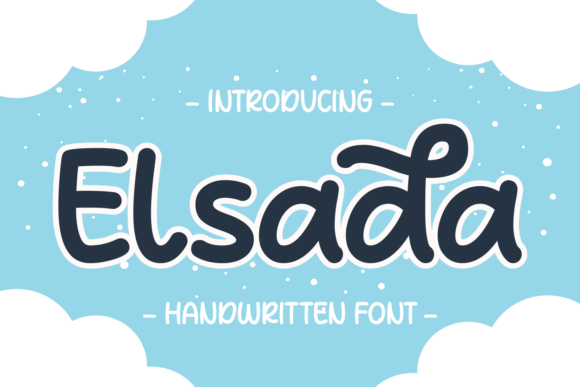
Elsada: A Playful Handwritten Font for Joyful Web Design
Elsada is more than just a typeface — it’s a design tool that injects personality into digital spaces. As a web designer, I’m always looking for fonts that can elevate a layout while maintaining clarity and usability. Elsada, a whimsical script font, offers a fresh, hand-drawn charm that works exceptionally well in modern web design. Its soft curves and spontaneous strokes make it a standout choice for projects that need a touch of warmth and creativity without sacrificing digital legibility.
From a visual hierarchy standpoint, Elsada shines when used in hero sections, headers, and call-to-action buttons. It’s not a font for long paragraphs, but rather for short, impactful phrases that guide a user’s journey. The playful nature of Elsada makes it ideal for branding websites that cater to lifestyle, wellness, creative education, or boutique-style businesses. When used thoughtfully, it can reinforce brand tone and create an emotional connection with the audience.
When and Where to Use Elsada in Web Design
One of the best applications of Elsada is in creative portfolios. Whether you're designing a personal website or a digital product showcase, using Elsada in the headline or project titles gives the layout a handcrafted, approachable feel. It pairs beautifully with clean, minimal layouts, allowing the font to be the focal point without overwhelming the user.
For online store owners, Elsada works well in banner headlines and product descriptions that require a personal touch. Think of a boutique clothing shop or a curated wellness brand — Elsada can be used for limited-time offers, featured product tags, or seasonal promotions. It’s also effective in landing pages for digital courses or coaching programs, where a friendly, inviting tone is key to conversion.
On blog sites or content-driven platforms, Elsada can be used effectively in header graphics or quote sections. It adds a visual break from more structured typography and can be overlaid on images or subtle gradients to draw attention without disrupting the reading flow. Just be sure to maintain sufficient contrast and spacing for readability, especially on mobile screens.
Readability and Responsive Design Considerations
Like any decorative font, Elsada should be used with care in responsive layouts. On mobile devices, smaller text sizes can reduce legibility, so it’s best reserved for larger text elements like headings or hero titles. When using Elsada on buttons or image overlays, ensure the font remains clear and readable by adjusting letter spacing and background contrast.
Dark mode and light mode variations should also be tested. Elsada tends to work best on light backgrounds where its delicate strokes remain visible. If you're using it over a dark background, consider a slightly bolder weight or a drop shadow to enhance visibility. For image overlays, a semi-transparent background layer beneath the text helps maintain legibility without altering the font’s character.
Font Pairing for Balanced Web Typography
One of the most effective ways to use Elsada is in combination with a more neutral font. Since it’s a script amp font, pairing it with a clean sans serif like Montserrat, Open Sans, or Inter creates a balanced visual rhythm. Use Elsada for headlines and a simple sans serif for body text to ensure readability while maintaining stylistic contrast.
If you're designing a more editorial-style website — such as a blog or storytelling platform — consider pairing Elsada with a serif font like Merriweather or Playfair Display. This combination gives a sophisticated yet warm tone, perfect for brands that want to convey both creativity and professionalism.
For logo design or brand identity kits, Elsada can be used as a logotype or as a supporting accent font. Its handwritten quality adds authenticity and makes it especially suitable for brands that want to appear approachable and human-centered.
Technical and Licensing Notes for Web Use
Before integrating Elsada into a live website or client project, always check the font’s technical specifications. Ensure it includes multiple weights, webfont formats (like WOFF2), and supports a wide range of languages. Some decorative fonts lack alternate characters or proper kerning, which can affect how the text displays across devices and browsers.
Commercial font licensing is another important consideration. If you're using Elsada in a client’s website, an online store, or a downloadable brand kit, confirm that the license allows for commercial use. Some platforms offer Elsada through subscription services, while others sell it as a one-time purchase — each comes with different usage rights.
For SaaS founders or digital product creators building templates or design assets, having a clear understanding of font licensing ensures compliance and avoids legal issues down the line. Always read the End User License Agreement (EULA) provided by the font foundry or marketplace.
Final Thoughts on Elsada for Digital Design
In today’s digital landscape, typography plays a crucial role in shaping user experience and brand perception. Elsada brings a sense of joy and spontaneity to web design without compromising on usability. Whether you're crafting a landing page, designing a product showcase, or curating a personal blog, Elsada offers a unique voice that stands out in a sea of standard fonts.
Its versatility in visual hierarchy, emotional tone, and layout rhythm makes it a valuable asset for web designers and UI creators. When used correctly — with attention to spacing, contrast, and pairing — Elsada enhances both aesthetics and function. For projects that need a handwritten touch with digital clarity, Elsada is a modern script font worth exploring.